
China 15+ Years of Bike OEM/ODM Expertise: Direct, Transparent, Reliable
As a dedicated manufacturer of MTB or city bikes
We eliminate middlemen to deliver maximum value and streamlined supply chain solutions directly to you.
Navigating the 2026 LATAM Freight Spike
2026-06-21 15:26:12
Click:
“
A Strategic Supply Chain Guide for Bicycle DistributorsExecutive Summary: As of
”
A Strategic Supply Chain Guide for Bicycle Distributors
Executive Summary: As of June 2026, the Far East to Latin America (LATAM) ocean freight corridor is facing severe disruption. Driven by the ongoing Middle East transit bottlenecks, intense port congestion at Southeast Asian transshipment hubs (Singapore/Port Klang), and early inventory front-loading for Black Friday, container spot rates and Peak Season Surcharges (PSS) are surging. For volume bicycle importers in Mexico, Brazil, Colombia, and Chile, mitigating Cost, Quality, Delivery, and Risk Management (CQDR) requires a sharp pivot from reactive buying to structured logistics integration.
1. Market Diagnostic: Why the Far East-to-LATAM Route is Strained in Q2 2026
The current volatility in Latin American shipping lanes isn't driven by an organic boom in end-consumer demand, but by disruption economics and structural bottlenecks.
- The Southeast Asian Hub Lock: Due to rerouting away from volatile corridors, major transshipment hubs like Singapore are experiencing acute yard-density issues. For bicycle components and complete built units (CBUs) originating in Asia, this translates to an extra 7–14 days of unpredictable transit delays before even hitting the Pacific or Atlantic lanes.
- The Front-Loading Wave: Importers across Mexico (maneuvering nearshoring capacity) and the East Coast of South America (ECSA) are aggressively pulling manufacturing schedules forward. Fearful of further failures in rate normalization and energy-related bunker surcharges in H2 2026, the traditional Q3 peak has shifted into June.
- Carrier Aggression: Major liners have instituted aggressive blank sailings alongside newly enforced Peak Season Surcharges (PSS).
2. The Operational Impact on Complete Bicycle Sourcing (CBU & CKD)
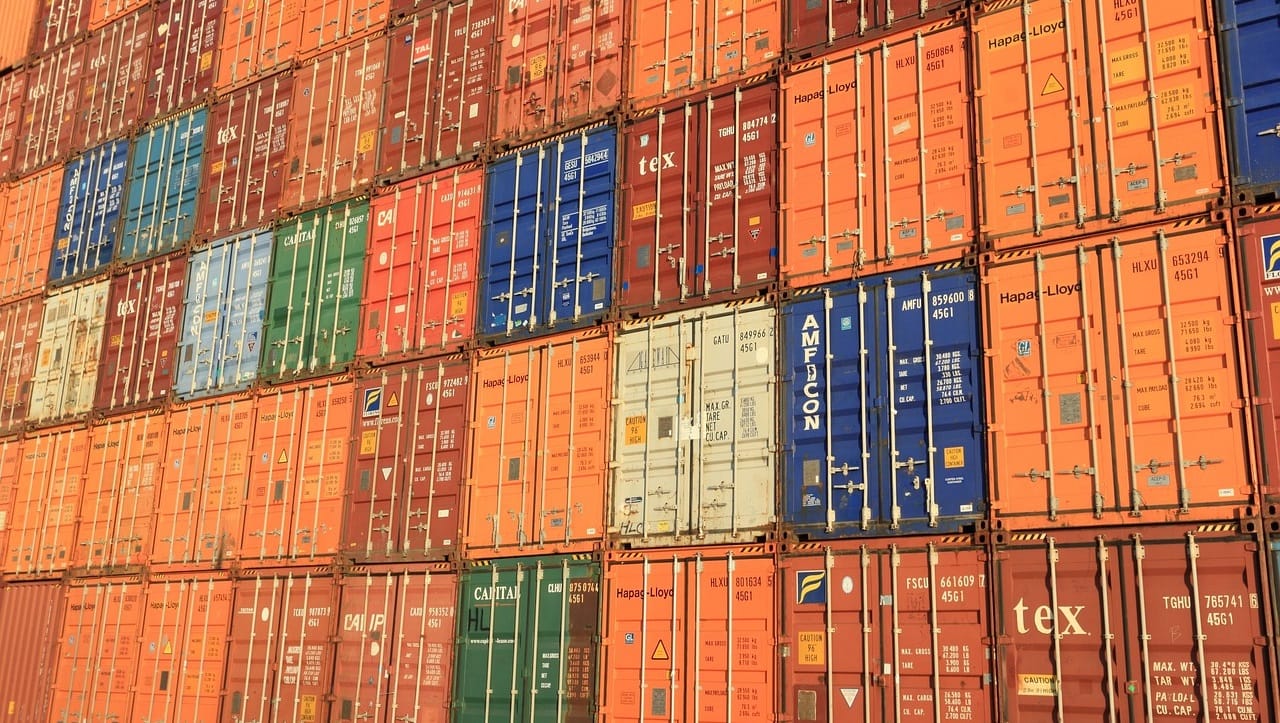
Bicycles are inherently high-volume, low-to-medium-value cargo per cubic meter. A standard 40ft High Cube (HQ) container holds roughly 250–300 packed adult mountain bikes (MTBs) or 700+ Completely Knocked Down (CKD) frame sets. When ocean freight spikes by $1,500–$2,500 per FEU, the unit cost impact on an entry-level alloy commuter bike is catastrophic compared to a high-margin T800 carbon fiber road racer.

3. Structural Solutions: Securing Your 2026 B2B Bike Supply Chain
To protect your distribution margins, standard purchasing protocols must be upgraded to a structured, risk-mitigated procurement framework.
Action 1: Optimize Container Cube Utilization
Stop shipping air. Work with your manufacturing partner to re-engineer carton dimensions based on specific frame geometries.
- Feature: Transitioning from 85% Pre-Assembled (SKD) to 95% CKD or compact-box SKD packing profiles.
- Advantage: Reduces box width by up to 12%, allowing an extra 40 units per 40ft HQ container.
- Benefit: Direct dilution of the inflated ocean freight rate per unit, saving up to $8.50 per bike in landing costs.
Action 2: Audit Supplier Manufacturing Agility
If your supplier takes 60 days just to extrude, hydroform, and heat-treat (AL6061-T6) or cure carbon sheets, you will consistently miss shipping windows. A reliable OEM partner must demonstrate structured supply chain velocity:
By utilizing factory-level raw material positioning, the production lead time should remain under 30 days, giving your logistics team a stable window to match blank sailing schedules.
Action 3: Leverage Regional Logistics Infrastructure
Smart routing is critical. For Northern LATAM and Colombia, utilize emerging maritime nodes. For instance, routing through modernized terminals or strategically positioned ports like the newly operational Port of Antioquia can yield substantial inland distribution savings, cutting transit time to major industrial centers like Medellín by up to 350 km compared to traditional hubs.
4. Summary for Professional Buyers
Living with volatility is the new normal for 2026. Buyers who wait for spot rates to cool will find themselves with empty showrooms during the peak year-end selling season. Secure your production slots now, enforce strict anti-corrosion packaging standards for extended sea transits, and demand transparent container-utilization metrics from your manufacturing partner.









